Exploring the Explosive Growth of Mobile Games: Trends, Challenges, and Future Prospects
The mobile gaming industry has witnessed an **unprecedented surge** over the past decade, merging innovation with entertainment and shaping how users engage with digital content. In this article, we'll dive deep into the **trends**, **challenges**, and **future prospects** of mobile games, including insights on popular titles like Clash of Clans and broader industry movements.
1. The Rise of Mobile Games: A Quick Overview
Mobile games have transitioned from a niche market to a mainstream form of entertainment. The number of mobile gamers is expected to surpass 3 billion by the end of the year. This growth is fueled by several factors, including the accessibility of smartphones and advancements in technology.
2. Key Trends Shaping Mobile Gaming
- Freemium Model: Many mobile games adopt a free-to-play model, monetizing through in-app purchases.
- AR and VR Technologies: Augmented Reality (AR) and Virtual Reality (VR) are crafting immersive experiences.
- Esports Integration: Competitive gaming is becoming increasingly popular on mobile platforms.
3. Download Games: Clash of Clans vs. Other Popular Titles
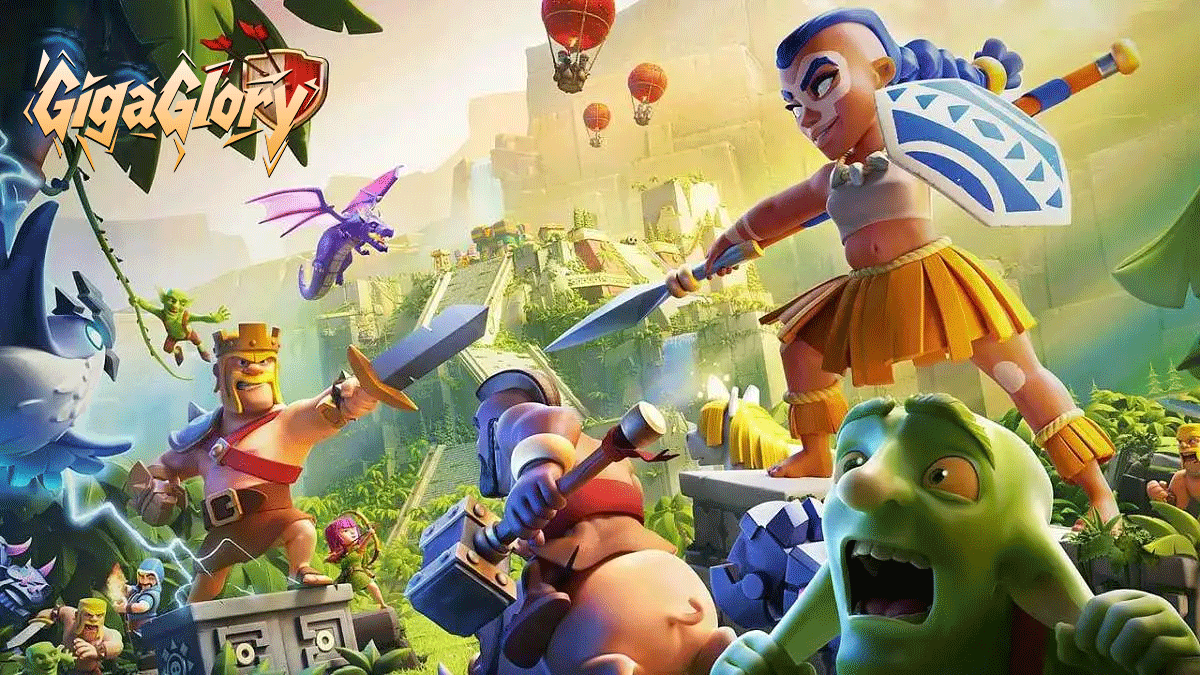
When discussing mobile games, it's hard to overlook the success of titles like Clash of Clans, which remains at the forefront of downloads. Here’s how it compares to other leading mobile games:
| Game Title | Year Launched | Lifetime Downloads |
|---|---|---|
| Clash of Clans | 2012 | Over 500 million |
| PUBG Mobile | 2018 | Over 1 billion |
| Subway Surfers | 2013 | Over 2.7 billion |
4. Challenges Facing Mobile Games
Despite the boom, the industry is not without its hurdles. Here are some of the critical challenges:
- Saturation of Market: With so many titles available, standing out becomes complex.
- Regulatory Issues: Different countries have specific regulations impacting game sales and marketing.
- Player Retention: Keeping players engaged over time is increasingly difficult.
5. The Role of Technology in Mobile Gaming
Technology is a significant driver behind the growth of mobile games. Higher processing power, better screen resolutions, and fast internet have enabled developers to create **enhanced gaming experiences**. Cloud gaming is also emerging, allowing players to access games without the need to download.
6. Social Connection: Gaming with Friends
Gaming isn’t just about solo experiences; it’s about community. Many mobile games now integrate **social features**, which allow users to connect with friends or meet new players. This aspect of gaming creates a social platform that keeps users hooked.
7. The Influence of User Experience (UX)
A game’s design and user interface can significantly impact its success. Games that offer intuitive controls and aesthetically pleasing graphics tend to perform better. Elements like feedback, tutorials, and UI simplicity play a critical role in player satisfaction and retention.
8. Monetization Strategies: What Works?
While several monetization strategies exist, not all are equally effective. The most common methods include:
- In-App Purchases: Users can buy enhancements, which can elevate their gameplay.
- Advertisements: Users can opt to view ads in exchange for rewards.
- Subscription Models: Some games offer premium content through monthly subscriptions.
9. Future Prospects of Mobile Games
The future looks bright for mobile gaming, considering the innovative technologies that are on the horizon. **5G**, for instance, will provide faster speeds and low latency that can enhance multiplayer experiences. We can also expect more games to utilize adaptive AI that tailors experiences based on player behavior and preferences.
10. The Global Market and Localization
As game developers explore new markets, localization will become pivotal. Tailoring games to fit the cultural nuances and preferences of different regions helps in enhancing player engagement. More localized content can help strengthen the global footprint of mobile games.
Conclusion
The growth of mobile games represents a dynamic convergence of technology, creativity, and market demand. With ongoing innovations and evolving trends, the future of mobile gaming promises to be even more engaging and complex. While challenges do exist, they can lead to new opportunities for developers and players alike. As we look ahead, the question remains: what new experiences will mobile gaming deliver next?